
Archives

Smart Displays

The Challenge.

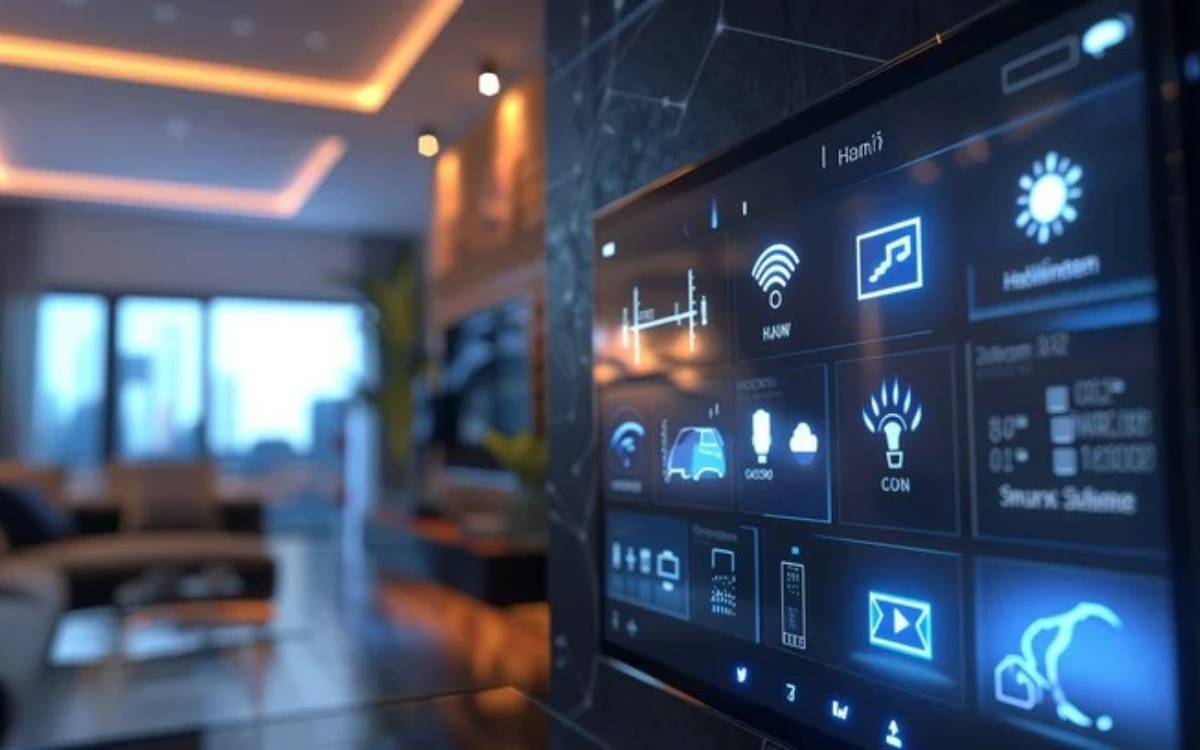
A smart display is more than a panel—it’s the front line of your product experience, and it has to remain responsive, readable, and dependable in real operating environments. The main challenge is integrating display hardware, touch, processing, connectivity, and power into a single HMI platform that performs consistently from prototype to production.

Projects often slow down when the screen is chosen first and integration is solved later. That approach can trigger touch instability, EMI issues, uneven brightness, or UI lag—especially once the design is pushed toward volume builds. EETIUM helps you avoid these bottlenecks by engineering smart displays as a complete system from the start.

The Process.

EETIUM begins with clear system targets—size, resolution, brightness, touch type, interface, latency, and environmental constraints—then builds the right architecture around them. We support smart display development across hardware design, embedded integration, and platform configuration to keep the full pipeline stable and production ready.

To prepare for scale, we focus on manufacturability and long-term continuity: documentation completeness, validation planning, and configuration control. If you need market variants, we implement controlled changes while protecting a stable baseline design for easier maintenance and future upgrades.

Results which exceeded expectations.

With EETIUM’s Smart Displays support, you gain a solution that’s easier to build, deploy, and evolve:

  • Faster execution through requirements-driven display and touch integration
  • More reliable performance thanks to early attention to system constraints (interfaces, EMI, latency)
  • Fewer redesign cycles with production-aware validation and documentation handover
  • Repeatable builds supported by controlled configurations and manufacturing readiness
  • A scalable HMI platform ready for feature expansion and future display upgrades
  • Consistent behavior across environments, improving user experience and deployment confidence
Robotics

The Challenge.

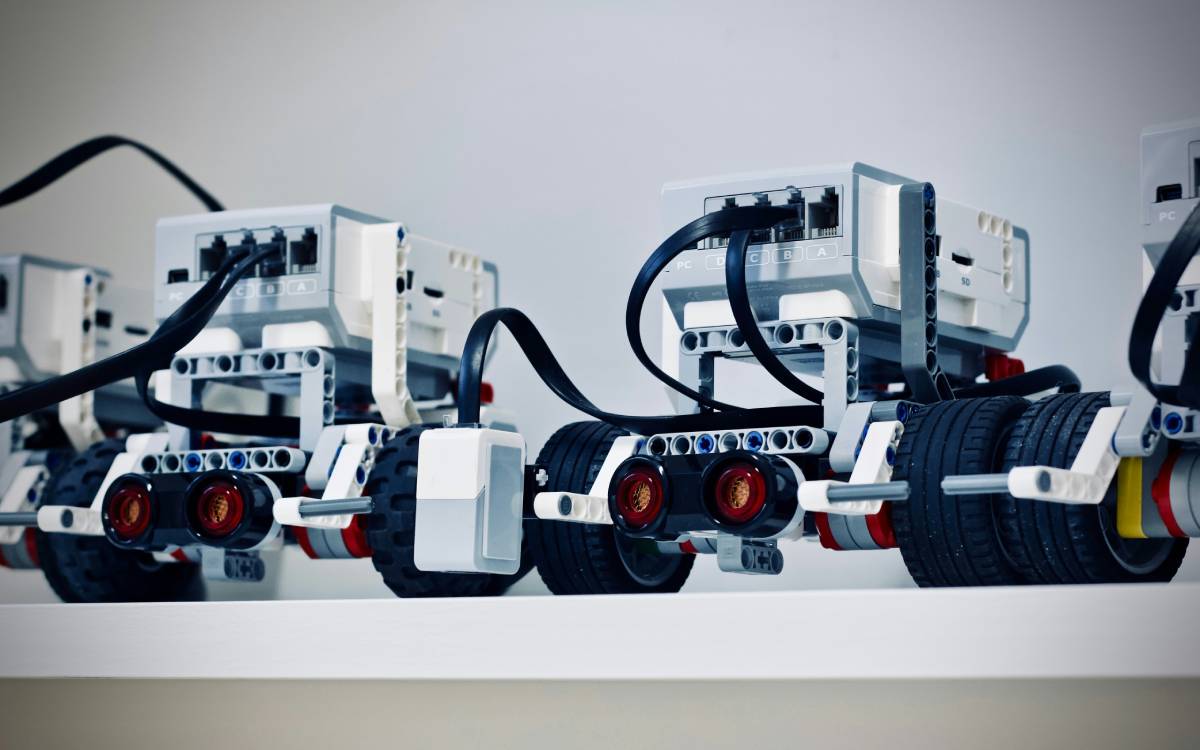
A robotics product isn’t “ready” when it can move in a demo—it’s ready when it can run reliably in real operations, day after day. The key challenge is turning complex subsystems—mechanics, sensing, control electronics, embedded software, and safety—into a stable robotic platform that can be built and deployed consistently across different environments and workloads.

Robotics programs often slow down when development is split across multiple vendors and disconnected toolchains. The result is usually inconsistent builds, integration surprises, and longer iteration loops that drive up cost and delay deployment. EETIUM helps teams consolidate the robotics stack into a unified, scalable solution.

The Process.

EETIUM supports robotics development from feasibility to deployment, aligning architecture decisions early so integration is smoother later. We coordinate system design, actuator and sensor selection, control hardware, embedded firmware, and software integration to meet performance targets without repeated redesign cycles.

As projects move toward scale, we focus on production readiness—DFM/DFT input, documentation completeness, validation planning, and configuration control. Where local requirements differ, we introduce controlled variants for power, connectivity, safety, and environmental constraints while keeping a consistent baseline platform for long-term maintenance.

With a system-level approach, robotics development becomes more predictable and easier to scale. EETIUM helps you achieve:

  • Cleaner integration across mechanical, electrical, and control domains
  • Fewer redesign loops through early manufacturability and test considerations
  • Faster iterations supported by structured validation and configuration management
  • Higher deployment reliability with production-minded testing and field readiness planning
  • A scalable platform that accommodates new sensors, payloads, and feature expansion
  • Smoother ramp-up through aligned execution across engineering and manufacturing teams
Top